
"Yungas region"
200 article(s) found
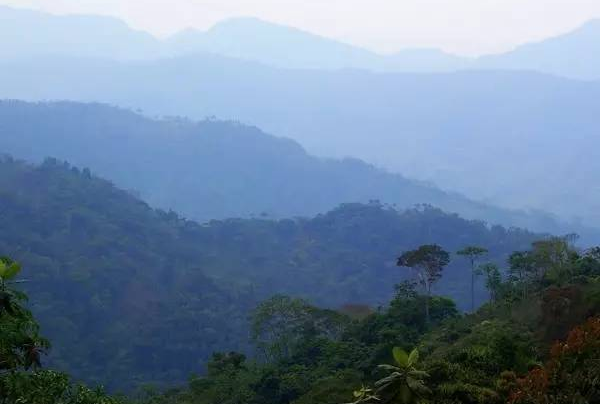
Description of taste and flavor of coffee beans for solitary travelers in Dark Arts, Bolivia
Follow the caf é (Wechat official account vdailycom) found that the Beautiful Cafe opened its own small shop in Bolivia Suapi comes from the La Paz producing area. Outside the city of Caranavi, coffee cherries are processed on a small farm, peeled and peeled mechanically, fermented in a small fermentation tank overnight, and then washed after fermentation.

Bolivian Coffee Perdo Rodriguez introduces the special flavor story of Bolivian coffee beans
Professional coffee knowledge exchange more coffee bean information please follow the coffee workshop (Wechat official account cafe_style) when it comes to Bolivia's Perdo Rodriguez, it can be said that everyone in the boutique coffee industry knows, almost can be said to be the flames of hope for the revival of Bolivian coffee. There are not only many boutique coffee brands, such as intellectuals regularly grab beans every year, and Maruyama Coffee in Japan

Bolivian boutique coffee bean flavor and taste manor introduces the characteristics of Bolivian coffee beans
Bolivia has made a lot of efforts to improve the quality of coffee, stimulate the enthusiasm of coffee farmers and make coffee farmers have a deeper understanding of fine coffee. After the introduction of the COE competition, in the first COE competition held in 2004, there were 13 boutique bean cups with a total score of more than 84 points, and the champion bean score was as high as 90.44 points.

Description of Bolivian Coffee Flavor with supple Fruit Acid introduction to the taste characteristics of boutique coffee beans in producing areas
Flavor: dry aromas of roasted nuts and almonds, with soft acidity of orange and white pomelo on the entrance, with sweet caramel as a whole, smooth texture of nut milk, cleanliness and balance. Lake Titicaca, which has a charming herbal aroma, is located on the Coya'ao Plateau on the border of Bolivia and Peru, and is the highest and largest light in South America.

Introduction to the description of the planting environment of Bolivian coffee with the characteristics of grinding degree, taste treatment method and price.
Bolivia is 1/3 of the Andean mountains, rugged terrain, mainly road transport, accounting for more than 85% of transportation. The main railway and road networks are concentrated in the west, and remote areas rely on air communication. But road coverage is the lowest in South America. And there is also the Ronggas Highway, the world's first insurance road known as the road to death. There is no developed economy here. It is the poorest in South America.

Description of Coffee Flavor in Snow vein Manor in Bolivia; introduction to the characteristics of grinding degree and taste of varieties
Bolivia is 1/3 of the Andean mountains, rugged terrain, mainly road transport, accounting for more than 85% of transportation. The main railway and road networks are concentrated in the west, and remote areas rely on air communication. But road coverage is the lowest in South America. And there is also the Ronggas Highway, the world's first insurance road known as the road to death. There is no developed economy here. It is the poorest in South America.

Description of Coffee Flavor of Xuemai Manor in Bolivia introduction to the taste of high-quality coffee in producing areas
Bolivia is 1/3 of the Andean mountains, rugged terrain, mainly road transport, accounting for more than 85% of transportation. The main railway and road networks are concentrated in the west, and remote areas rely on air communication. But road coverage is the lowest in South America. And there is also the Ronggas Highway, the world's first insurance road known as the road to death. There is no developed economy here. It is the poorest in South America.

Introduction to the flavor and taste of high-quality coffee beans in the coffee variety producing area of Xuemai Manor in Bolivia
In 1932, the Chaco War broke out between Bolivia and Paraguay for oil resources in the North Chaco region. Bolivia was defeated and lost a large area of territory. The people's armed uprising broke out in April 1952, and Paisdensolo, leader of the nationalist revolutionary movement, became president. Since then, there have been frequent military coups and long-term political instability. Modern assets with South American characteristics were restored in October 1983

Introduction to the flavor producing areas of Bolivian boutique coffee with average quality
Most of the coffee in Bolivia is of mediocre quality, but the production of boutique coffee has developed rapidly in recent years, and there have been a lot of pretty good beans. In recent years, the COE (Cup of excellence) system, which was first implemented in Brazil, has gradually become popular. Bolivia has also introduced this system, which can stimulate the enthusiasm of coffee farmers on the one hand and improve coffee on the other.

Introduction to the characteristics of fine coffee in the producing area of coffee flavor and taste in Xuemai Manor, Bolivia.
Bolivia was rescued from independence by Bolivar, a national hero from Caracas, Venezuela, during the War of Independence in Latin America in the 18th century, so the country was named after him. On August 6, 1825, independence from Spain was declared, named the Bolivarian Republic, and later changed to its present name. It formed a federation with Peru in 1836 and collapsed as a result of the Chilean invasion in 1839. one hundred and eighty six
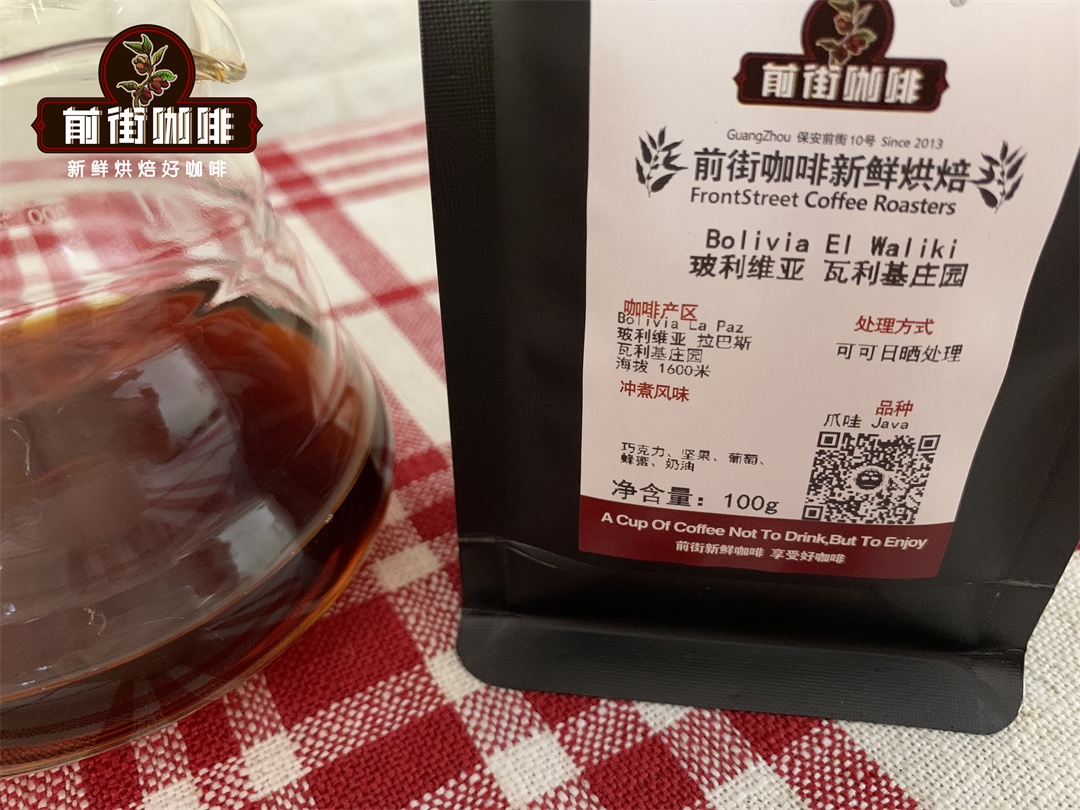
The third new wave of Bolivian coffee boutique coffee flavor story
MauricioRamiroDiezdeMedina won the last Excellence Cup in Bolivia in 2009. From the financial industry, he fell in love with coffee at the turn of the century and made a great contribution to the development of boutique coffee in Bolivia. In 2012 he opened the bake.
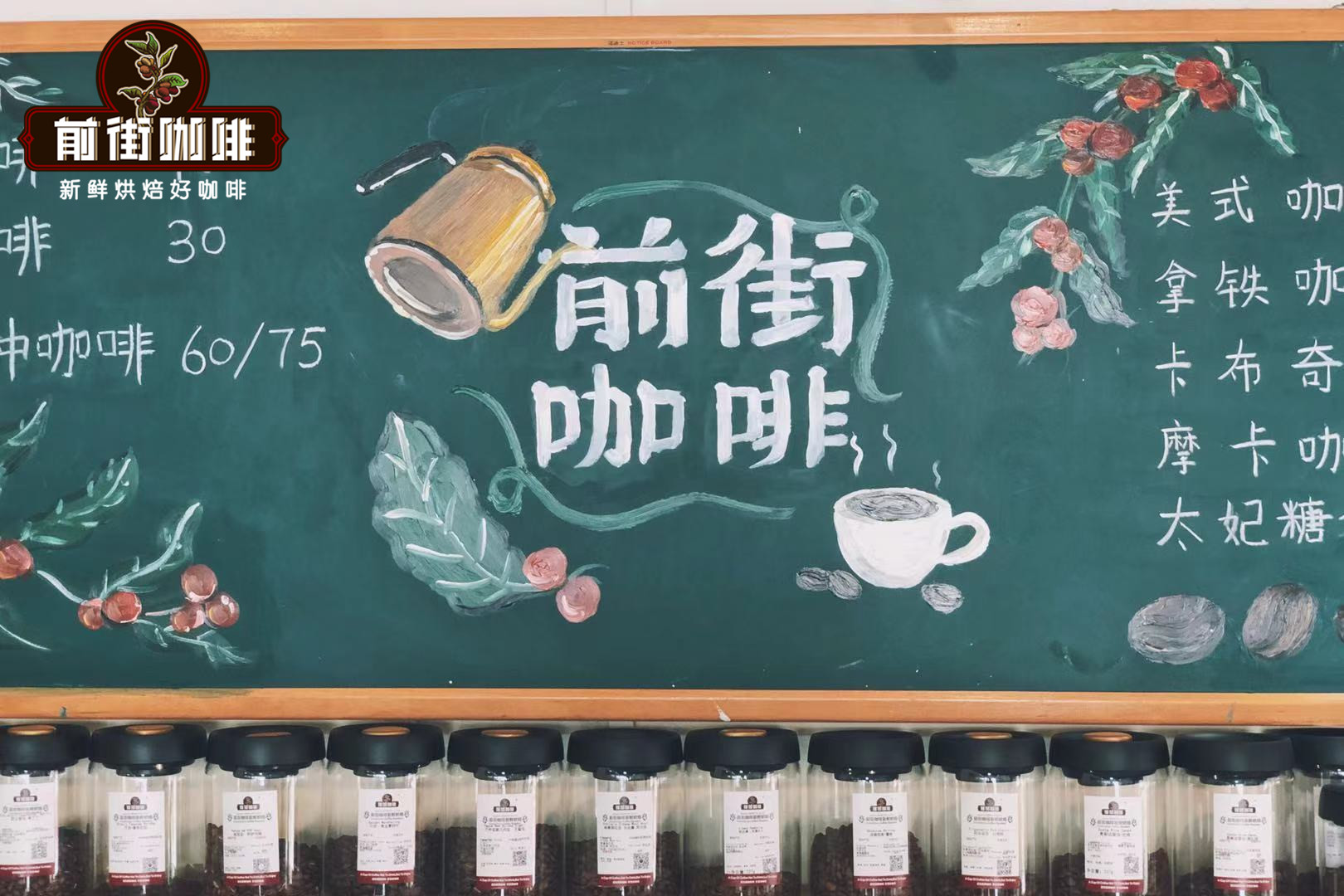
Bolivian Coffee Plantation Coffee Beans Bolivian Valiki Java Coffee Beans Flavor Features Story
Professional coffee knowledge exchange More coffee bean information Please pay attention to coffee workshop (Weixin Official Accounts cafe_style) If you want to say that coffee beans grow in heaven, it is Bolivia. This producing area can be regarded as one of the most recommended fine coffee producing areas in Xiaobian. The coffee beans in this producing area are mostly sweet and very pleasant, but the amount of coffee beans is very small.

Description of Coffee Flavor of Xuemai Manor in Bolivia introduction to the taste characteristics of fine coffee beans in the producing area
Bolivia is 1/3 of the Andean mountains, rugged terrain, mainly road transport, accounting for more than 85% of transportation. The main railway and road networks are concentrated in the west, and remote areas rely on air communication. But road coverage is the lowest in South America. And there is also the Ronggas Highway, the world's first insurance road known as the road to death. There is no developed economy here. It is the poorest in South America.

Bolivian coffee with rich acidity Growing environment Flavor Taste Manor Introduction
One third of Bolivia's territory is Andean, rugged terrain, mainly road transport, accounting for more than 85 per cent of transport. The main railway and road networks are concentrated in the west, and remote areas rely on air communication. However, road coverage is the lowest in South America. Moreover, there is also the Ronggas Highway, the world's most dangerous road known as the Road of Death. It has no developed economy, it's the poorest in South America.

Introduction to boutique coffee with rich and unique aroma and taste characteristics of Bolivian snow vein manor
In 1932, the Chaco War broke out between Bolivia and Paraguay for oil resources in the North Chaco region. Bolivia was defeated and lost a large area of territory. The people's armed uprising broke out in April 1952, and Paisdensolo, leader of the nationalist revolutionary movement, became president. Since then, there have been frequent military coups and long-term political instability. Modern assets with South American characteristics were restored in October 1983

Taste characteristics of Bolivian coffee with charming aroma introduction to Xuemai Manor in the producing area
In 1932, the Chaco War broke out between Bolivia and Paraguay for oil resources in the North Chaco region. Bolivia was defeated and lost a large area of territory. The people's armed uprising broke out in April 1952, and Paisdensolo, leader of the nationalist revolutionary movement, became president. Since then, there have been frequent military coups and long-term political instability. Modern assets with South American characteristics were restored in October 1983

Introduction to the description of Flavor of High-quality Coffee in producing area
Bolivia is 1/3 of the Andean mountains, rugged terrain, mainly road transport, accounting for more than 85% of transportation. The main railway and road networks are concentrated in the west, and remote areas rely on air communication. But road coverage is the lowest in South America. And there is also the Ronggas Highway, the world's first insurance road known as the road to death. There is no developed economy here. It is the poorest in South America.

Rich aroma and unique characteristics of Bolivian Coffee introduction to Fine Coffee beans in Manor producing area
Bolivia not only has a unique growing environment, but also has an excellent coffee variety Typica. In the past two hundred years, the main variety of coffee in Yanggas area is the ancient Tibica. Tibica coffee has a balanced and soft flavor, with lively aroma and rich sour taste. Unfortunately, the low production of Tibika and its poor disease resistance make Bolivia's

Introduction to the characteristics of flavor and taste of Bolivian coffee manor with rich sour taste
Bolivia is 1/3 of the Andean mountains, rugged terrain, mainly road transport, accounting for more than 85% of transportation. The main railway and road networks are concentrated in the west, and remote areas rely on air communication. But road coverage is the lowest in South America. And there is also the Ronggas Highway, the world's first insurance road known as the road to death. There is no developed economy here. It is the poorest in South America.

What is the flavor of the tin card variety in Sinapork Cooperative, Bolivia? How do we cook Bolivie?
Professional coffee knowledge exchange more coffee bean information please follow the coffee workshop (Wechat official account cafe_style) Bolivia Sinapok cooperative-how is the flavor of the tin card variety? How do we make Bolivian coffee? Production area: Caranavi producer: Sinapok treatment: washing treatment varieties: Typica altitude: 1400 to 1700 m mining